
rectangular black bathroom mirror
Understanding the Pricing of 32mm Gate Valves Gate valves are crucial components in various piping systems, used primarily for on/off control of fluid flow. Among the various sizes available, the 32mm gate valve is a popular choice for many industrial and residential applications. When considering the procurement of a 32mm gate valve, understanding its price determinants is essential for making an informed purchasing decision. Key Factors Influencing Price 1. Material Composition The material used in manufacturing gate valves significantly impacts their cost. Common materials include brass, stainless steel, cast iron, and PVC. For instance, a 32mm gate valve made from stainless steel is typically more expensive than one made from cast iron due to its higher resistance to corrosion and durability. 2. Manufacturer Reputation The brand and reputation of the manufacturer can also affect pricing. Established manufacturers with a long-standing history in the industry might charge a premium for their products, reflecting the quality assurance, reliability, and customer service they provide. Conversely, lesser-known brands may offer more competitive pricing but could potentially compromise on quality. 3. Design and Specifications The design specifications of a gate valve such as pressure ratings, temperature limits, and specific features like handwheels or actuators can also influence the price. Valves designed to handle higher pressures or extreme temperature variations are generally more costly. Additionally, any special requirements, such as custom sizes or coatings, can further elevate the cost. 4. Market Demand and Supply The pricing of 32mm gate valves can fluctuate based on market conditions. During peak construction seasons or in response to increased demand in specific industries, prices may rise. Conversely, an oversupply of valves in the market can lead to price reductions. 32mm gate valve price 5. Retailer Markup Where you choose to buy your gate valve can impact its price as well. Retailers may set their prices based on their overhead costs and margin requirements. Online retailers might offer competitive pricing due to lower operational costs compared to physical stores. 6. Geographic Location Shipping costs and availability can vary significantly depending on your location. If the valve needs to be shipped internationally, additional charges such as customs duties and taxes can significantly increase the overall price. Local suppliers might offer more reasonable rates and quicker delivery times, making them a preferable option for some buyers. Average Pricing As of now, the price of a standard 32mm gate valve typically ranges from $10 to $100. This range varies due to the factors previously mentioned. For example, a basic PVC gate valve might be on the lower end, while a stainless steel valve designed for high-pressure applications could reach the higher spectrum of the price range. Conclusion When considering the purchase of a 32mm gate valve, it is essential to evaluate the various factors that influence its pricing. Understanding these elements not only aids in budgeting for a project but also ensures that buyers select a valve that meets their specific needs without falling victim to price fluctuations. Buyers should compare prices from different suppliers, consider the quality of materials, and evaluate the reputation of manufacturers before making a decision. With careful consideration, one can find a gate valve that balances cost with quality, ensuring efficient and reliable operation in any system.
about
rectangular black bathroom mirror
The Importance and Applications of Small Ground Anchors In the field of civil engineering and construction, ground anchors play a pivotal role in ensuring the stability and integrity of structures. Among the various types of anchors, small ground anchors are particularly noteworthy due to their versatility and effectiveness in various applications, ranging from retaining walls to temporary structures. This article explores the significance of small ground anchors, their applications, installation methods, and advantages. What are Small Ground Anchors? Small ground anchors, also known as soil anchors or tieback anchors, are systems used to provide additional stability to structures by anchoring them into the ground. These anchors can be made from various materials, including steel or concrete, and typically consist of two main components the anchor body itself and a corresponding tensioned component, such as a cable or rod. They work by transferring loads from a structure to the surrounding soil, effectively counteracting lateral forces and enhancing overall structural support. Applications of Small Ground Anchors One of the most common applications for small ground anchors is in the stabilization of retaining walls. Retaining walls are structures designed to hold back soil and prevent erosion, and small anchors can be used to provide additional support, particularly in cases where the wall is subjected to significant lateral pressure. By anchoring the wall to the stable ground further back, the risk of wall failure can be substantially reduced. Another application of small ground anchors is in temporary structures, such as during construction or excavation projects. During these operations, various structures may need to be stabilized against gravitational and lateral forces. Temporary anchors can be quickly installed and removed, providing a cost-effective solution for maintaining safety during construction activities. Small ground anchors are also used in various recreational projects, such as securing tents or canopies in outdoor events. Their lightweight design and ease of installation make them ideal for applications requiring portability and quick deployment. Installation Methods small ground anchors The installation of small ground anchors typically involves four main steps site assessment, drilling, placing the anchor, and tensioning. 1. Site Assessment Before installation begins, a thorough site assessment is conducted to analyze soil conditions. Understanding the soil type, density, and moisture content is crucial for determining the appropriate anchor size and type. 2. Drilling Once the assessment is complete, a hole is drilled into the ground to accommodate the anchor. The depth and diameter of the hole will vary based on anchor specifications and soil conditions. 3. Placing the Anchor The anchor is placed in the drilled hole. Depending on the design, it may be connected to a tensioning device or left in place to establish load-bearing capacity. 4. Tensioning After the anchor is installed, it is tensioned to ensure optimal load transfer. This step may involve the use of hydraulic equipment to achieve the required tension levels. Advantages of Small Ground Anchors The use of small ground anchors comes with numerous advantages. Firstly, they require minimal site disruption compared to traditional foundations, making them an ideal choice for urban or sensitive environments. Additionally, their compact size allows for flexible applications in tight spaces where larger anchors would be impractical. Moreover, small ground anchors are cost-effective solutions for stabilizing structures. They can often be installed relatively quickly, reducing labor costs and downtime on projects. Their modular design means that they can be adapted to a variety of situations without needing extensive modifications. In conclusion, small ground anchors are essential components in modern construction and civil engineering. Their versatility, ease of use, and effectiveness in enhancing structural stability make them a preferred choice in a wide range of applications. Whether stabilizing retaining walls, supporting temporary structures, or securing outdoor installations, small ground anchors provide reliable and efficient solutions for ensuring safety and stability in an ever-evolving construction landscape.
-

High quality industrial productsagement

High quality industrial products
View Details -

Meet the diverse needs of customers

Meet the diverse needs of customers
View Details -

Strict quality control

Strict quality control
View Details -

Top raw materials

Top raw materials
View Details -

Trusted supplier

Trusted supplier
View Details
Our application

news and information
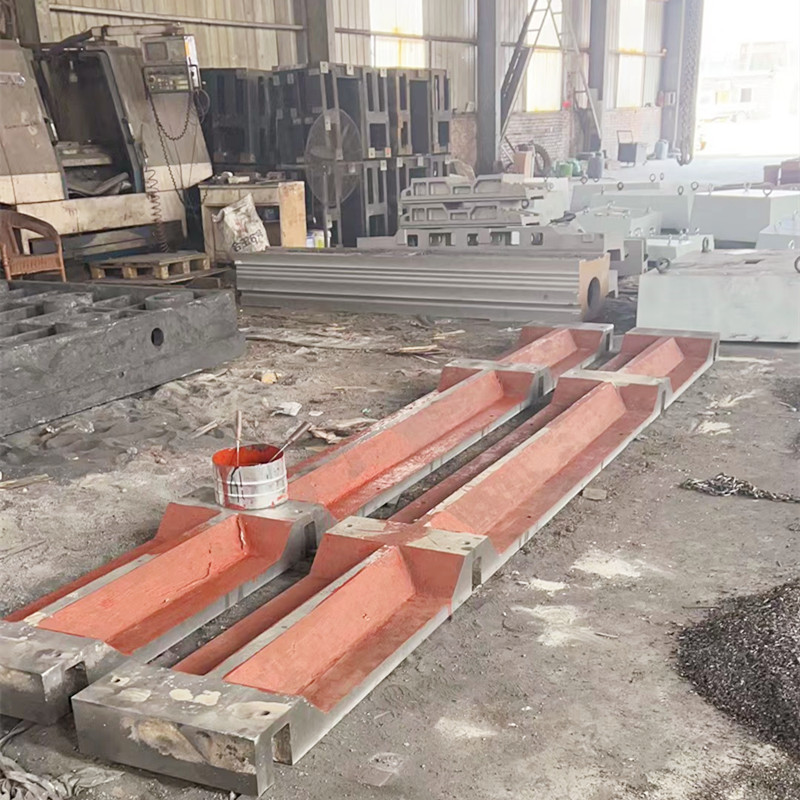
Water Strainer for Efficient Filtration and Reliable Performance in Various Applications
Understanding the Y-Type Water Strainer A Key Component in Fluid Systems In industrial and municipal
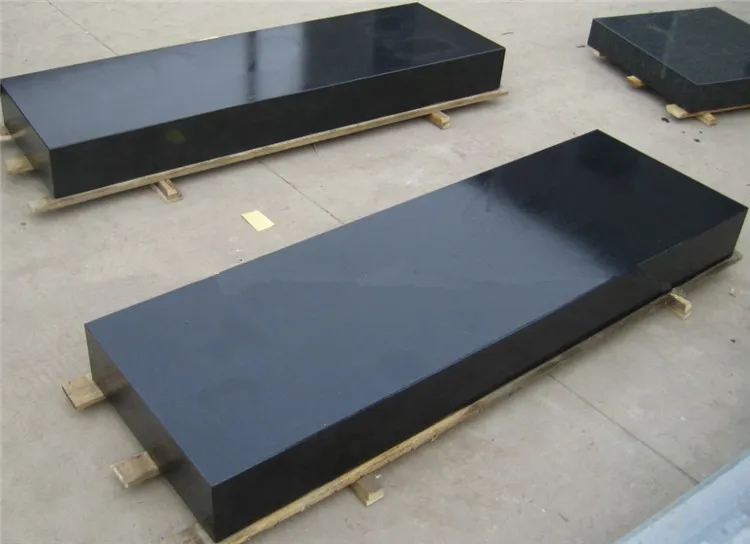
Valvola di cancello a flangia da 6 pollici
Un componente essenziale nei sistemi di gestione dei fluidi industriali è la valvola a saracinesca f

water valve
Understanding Water Valves A Key Component in Fluid Control Systems Water valves are crucial compone
 English